What is the AI zombie trend?
Why the confrontation becomes an embrace, and what the warm ending means.
By AI Zombie · Published 11 October 2026 · Updated 11 October 2026
Why an embrace changes the story
A zombie story usually asks whether someone survives. This version asks whether a familiar face can still be recognized after infection. The survivor’s decision to lower the gun makes the embrace the emotional center of the film.
The warm ending is a memory
The wheat field is a return to a healthy shared memory. It is not a promise that the infected person has been cured. The cold-to-warm shift gives a short clip room for both fear and affection.
Three ways to make a clip
You can edit existing authorized footage, write a custom prompt in a general video tool, or use a fixed-story maker. Editing offers control but needs suitable footage. A general tool allows experimentation. Our maker keeps one story and two identity roles, with no prompt editor.
Our independent interpretation
Our story and prompts are original. We do not reuse competitor clips or claim to recreate any social video frame by frame. The sample page separates a real provider trial from illustrated checkout placeholders.
Four beats, one emotional turn
The intended sequence establishes the confrontation, shows recognition of the infected partner, lowers the gun and moves into an embrace, then carries that movement into a warm memory. The timeline below is a target for the story, not a guarantee of exact model timing.
The same two identities
The first reference is the healthy survivor; the second is the infected partner. The memory shows both healthy. Hair, build and distinctive facial details help continuity, but faces, anatomy and movement can still change.
Why the transition is difficult
A leap must become an embrace while the location and infected appearance change. Camera direction and body positions have to remain understandable. This is one of the things we inspect in real trials; it is not a transition we promise to reproduce perfectly.
Generated sound, not the trending song
The configured model is APIMart Seedance 2 Fast. Identity references pass through its asset review. The intended output uses generated environmental sound and music. We do not add a licensed copy of the trending song; music and sound can vary.
What the sample proves
An actual trial proves that one request produced that particular result. It does not prove identical quality for every face, resolution or frame. Real purchasing stays closed until each offered combination and actual cost have been validated.
Plan a fictional seasonal scene
A two-person zombie story can be a Halloween greeting or short fictional post. The current story avoids gunfire, graphic wounds and extra characters. It is designed for adult portraits.
Choose photos before the deadline
Reference review and provider queues make turnaround unpredictable. Do not rely on delivery at a fixed minute or buy repeatedly while an order is pending.
Music and platform rules
The video uses model-generated sound and music, not the trending copyrighted song. Review the soundtrack and follow the platform’s disclosure and music rules before sharing.
Keep your copy
Download within 7 days of completion. Save a local copy before planning a seasonal post; expired private results are unavailable.
From fear to a final embrace.
A cold cabin. A familiar face. A choice. A warm memory. These are the intended story beats; generated timing and camera choices can vary.
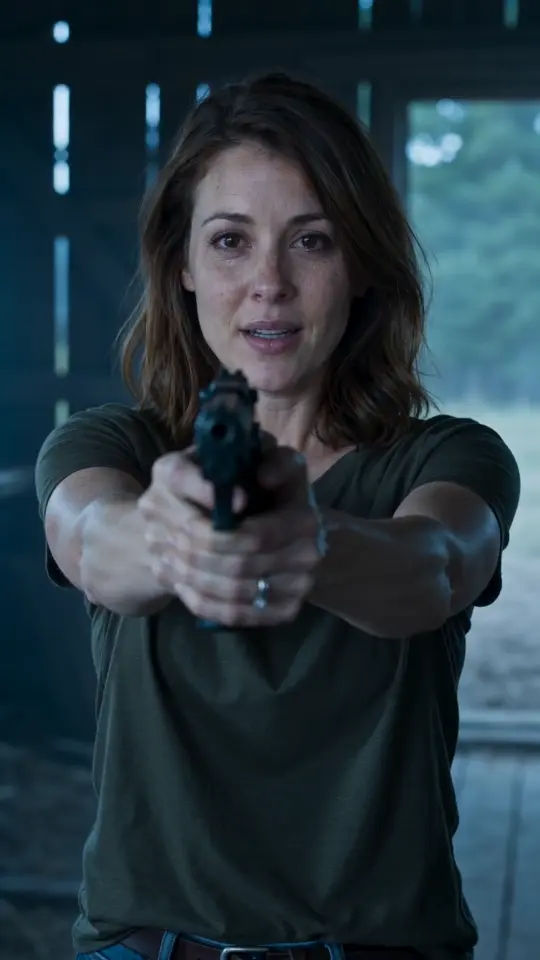 0–4s · STORY TARGET
The confrontation
In a cold cabin, the survivor faces someone they still recognize.
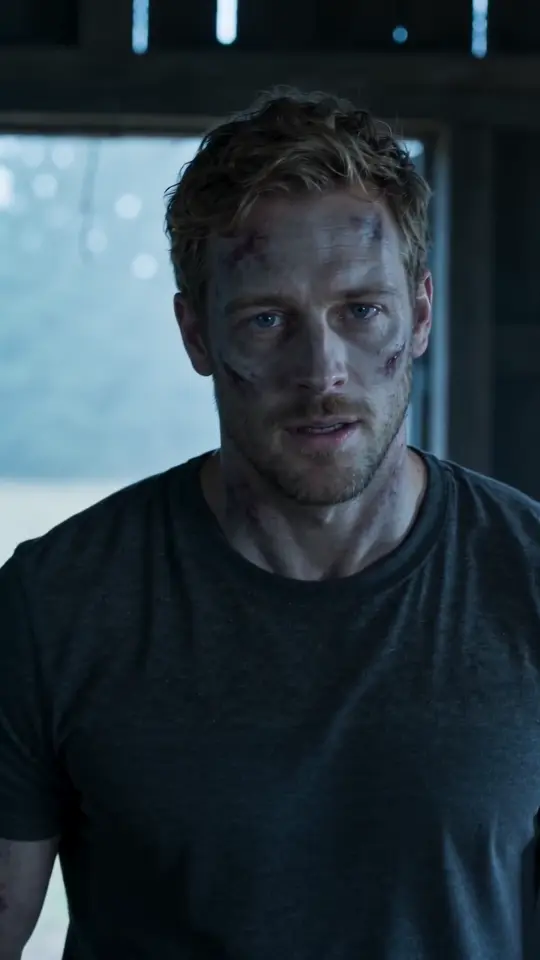 4–7s · STORY TARGET
The recognition
Recognition replaces fear. The survivor lowers the gun and opens their arms.
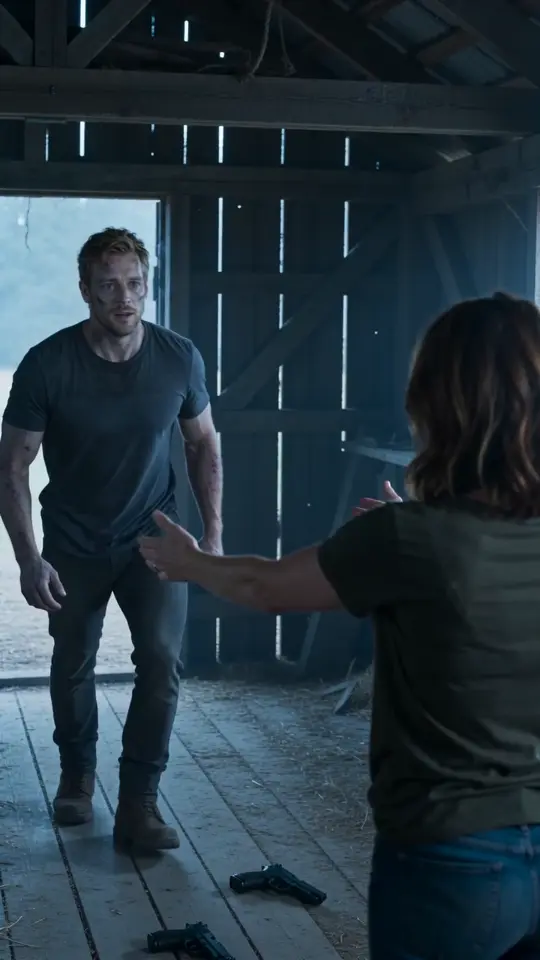 7–10s · STORY TARGET
The choice
They meet in a grounded embrace, then the scene cuts to their shared memory.
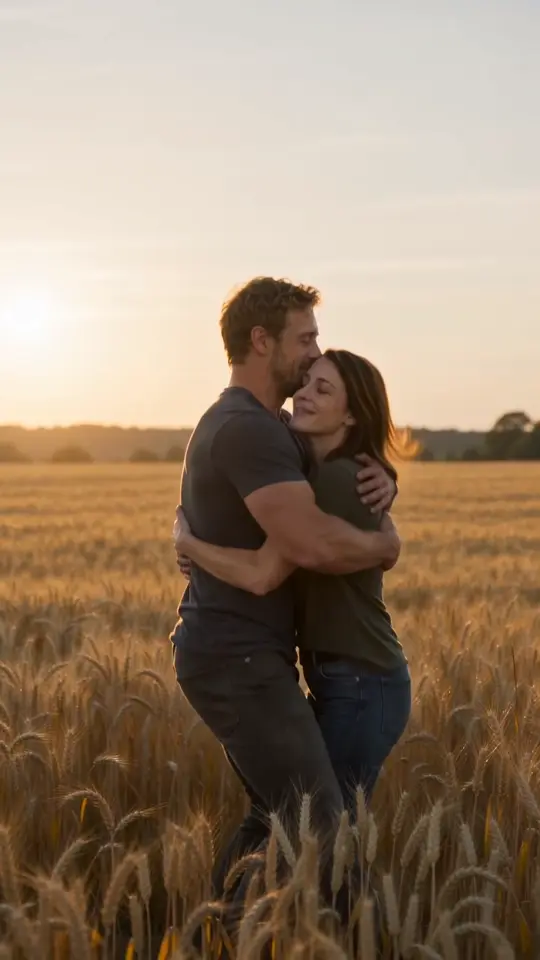 10–15s · STORY TARGET
The memory
The story returns them to a warm wheat field, both healthy.
Frames from our earlier love-story-v1 trial illustrate the setting. The new love-story-v2 targets can differ; exact timing is not guaranteed.
See the result before choosing your photos.
Our sample page explains the inputs, actual settings and the limits of a first trial.
View the sample →